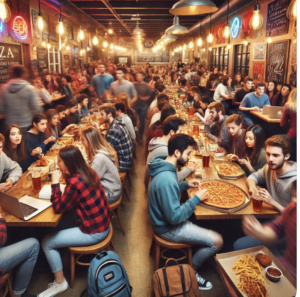
Restaurants win long-term when guests feel welcomed, respected, and safe, and when employees are proud of where they work. Title IX is a federal civil rights law focused on preventing sex-based discrimination in education, but the standards and expectations it represents have shaped how institutions think about harassment prevention, reporting, training, and equitable treatment. When a restaurant borrows those principles and applies them to hiring, training, culture, partnerships, and public messaging, it builds a brand people trust, recommend, and return to. That trust shows up in reviews, referrals, local partnerships, and employer reputation, all of which are marketing outcomes in the real world 🍽️📣
What Title IX Is, and Why Restaurants Should Care
Title IX is commonly associated with schools and universities, and the basics are well documented in sources like Title IX. Restaurants are not governed by Title IX in the same way an educational institution is, but Title IX has influenced modern expectations around clear conduct standards, safe reporting paths, prompt responses to complaints, and consistent training. Those expectations now live inside public perception. Guests, employees, and community partners often reward brands that show they take these issues seriously, and they distance themselves from brands that look careless or dismissive.
A restaurant that operates with clear, visible standards against harassment and discrimination, backed by training and accountability, sends a message that it is run with intention. That message becomes part of the brand story, not as a political statement, but as a hospitality statement. It tells people that the restaurant is not only a place to eat, but a place where people are treated like humans.
Title IX Principles Create a Stronger Employer Brand
Restaurants compete every day for reliable, high-performing team members. When you market a restaurant, you are marketing to guests and to talent at the same time. A workplace that feels safe and fair reduces turnover, improves service, and stabilizes operations. That stability is marketing, because consistent service creates consistent reviews, and consistent reviews create consistent revenue.
Title IX-style thinking pushes an organization to define expectations in writing, train managers on how to respond, and create a culture where people can speak up without fear of retaliation. Restaurants that do this well often find they have a stronger team culture and better word-of-mouth hiring. That kind of reputation spreads quickly in local communities, especially in college towns, resort markets, and tight labor areas where everyone knows everyone.
This is also where restaurant industry coverage increasingly focuses, because culture affects performance and brand perception. You can follow ongoing marketing and branding coverage in outlets such as Nation’s Restaurant News Marketing and Branding, where brand trust and consumer perception are recurring themes.
A Safer Culture Improves Guest Experience and Online Reputation
Guests do not just judge a restaurant by food. They notice tension, disrespect, and discomfort. They notice when staff look anxious or unsupported. They notice when management appears absent. A restaurant that internalizes Title IX principles builds a calmer, more professional environment. That environment changes the vibe, and vibe drives repeat business.
From a marketing standpoint, this shows up in what people write online. Guests tend to reward restaurants that feel welcoming, inclusive, and well-run. Those signals appear in star ratings and review language, which influence the next wave of customers. The brand earns the benefit of the doubt in moments when things go wrong, because the public perception is that leadership cares and responds.
Restaurant marketing coverage frequently connects customer loyalty to trust and experience, and you can keep up with restaurant marketing trends and guest-experience-driven strategies through sources like Restaurant Dive Marketing.
College Partnerships, Catering, and Campus Proximity Become Easier
Many restaurants want campus-adjacent traffic, student employee pipelines, athletic team catering, alumni events, and university-adjacent partnerships. Institutions are increasingly cautious about the vendors they partner with, especially when students are involved. When your restaurant can clearly communicate policies, training, and leadership accountability, it becomes easier for community partners to say yes.
This is not about turning your restaurant into a compliance seminar. It is about presenting your restaurant as a professional operation with modern standards. A short public-facing statement about your workplace values, paired with real internal training and reporting steps, signals maturity. That maturity can be the deciding factor when a university program, student organization, or campus department chooses where to host an event or place a recurring catering order.
Restaurants looking for broader marketing ideas tied to growth and brand positioning can track what chains and independents are doing through Restaurant Business Marketing, where brand strategy and customer acquisition approaches are covered continuously.
Brand Storytelling That Feels Real, Not Performative
Guests can tell when values messaging is empty. Title IX principles help because they are operational, not just promotional. The goal is to build your message on actual behaviors and systems, then communicate that message simply.
This can look like manager training that includes clear boundaries and intervention expectations, a code of conduct that applies to staff and guests, and a clean way to report issues. Once those are real, marketing can become calmer and more confident. The restaurant can highlight being a respectful workplace, a safe space for celebration, and a team-first environment. That message works especially well for family dining, brands that rely on hospitality reputation, and restaurants that serve tourists who want predictability and professionalism.
Marketing publications that cover how restaurants communicate and differentiate often note that trust-based messaging performs better than hype-based messaging. For additional restaurant-focused industry context, QSR Magazine frequently covers brand positioning and promotional strategy in the quick-service and fast-casual world.
Crisis Prevention Is Quiet Marketing
A restaurant’s biggest marketing risk is a preventable scandal. One incident can wipe out years of brand-building. Title IX principles emphasize prevention, reporting, and response. For restaurants, that translates to fewer situations spiraling out of control, fewer patterns of behavior being ignored, and fewer public-facing controversies that damage the brand.
When issues arise, a restaurant with training and protocols responds faster and more consistently. That protects the team, protects guests, and protects the brand narrative. Even when nothing goes public, employees remember how leadership handled things, and employee word-of-mouth shapes reputation in every market.
Restaurants that want to stay current on brand and marketing pressures in a changing economy often watch broader marketing coverage that includes restaurant-specific reporting, such as Marketing Dive coverage on restaurant marketing.
Turning Values Into Visible Marketing Assets
Once the internal work is real, the external marketing becomes straightforward. A restaurant can weave these principles into hiring pages, onboarding content, manager training highlights, and community messaging. The tone should stay hospitality-forward. It should sound like a restaurant that takes care of people, not like a legal memo.
It can also show up in partnerships with local nonprofits, women-owned business networks, college mentorship programs, and workforce development groups. These partnerships create content opportunities that feel authentic, and authentic content performs better across social platforms and local press. When the restaurant communicates that it is a place where people are treated well, it becomes easier for guests to recommend it for birthdays, work dinners, team celebrations, and family gatherings 🎉🍔
Restaurants tracking practical industry news and growth playbooks can also learn from the fast-casual sector’s approach to brand clarity and operational consistency through outlets like Fast Casual News.
Conclusion ✅🍽️
Title IX Law is an education law, but the principles behind it have helped shape modern expectations around dignity, safety, reporting, and accountability. Restaurants that adopt those principles do not just build a better workplace. They build a stronger brand. That strength shows up in hiring, retention, guest experience, reviews, community partnerships, and resilience during difficult moments.
When a restaurant turns a respectful culture into a consistent operating standard, marketing becomes easier. The brand stands for something guests can feel the moment they walk in. The result is trust, and trust is the most powerful restaurant marketing asset there is.